
How I shoot artistic actors headshots
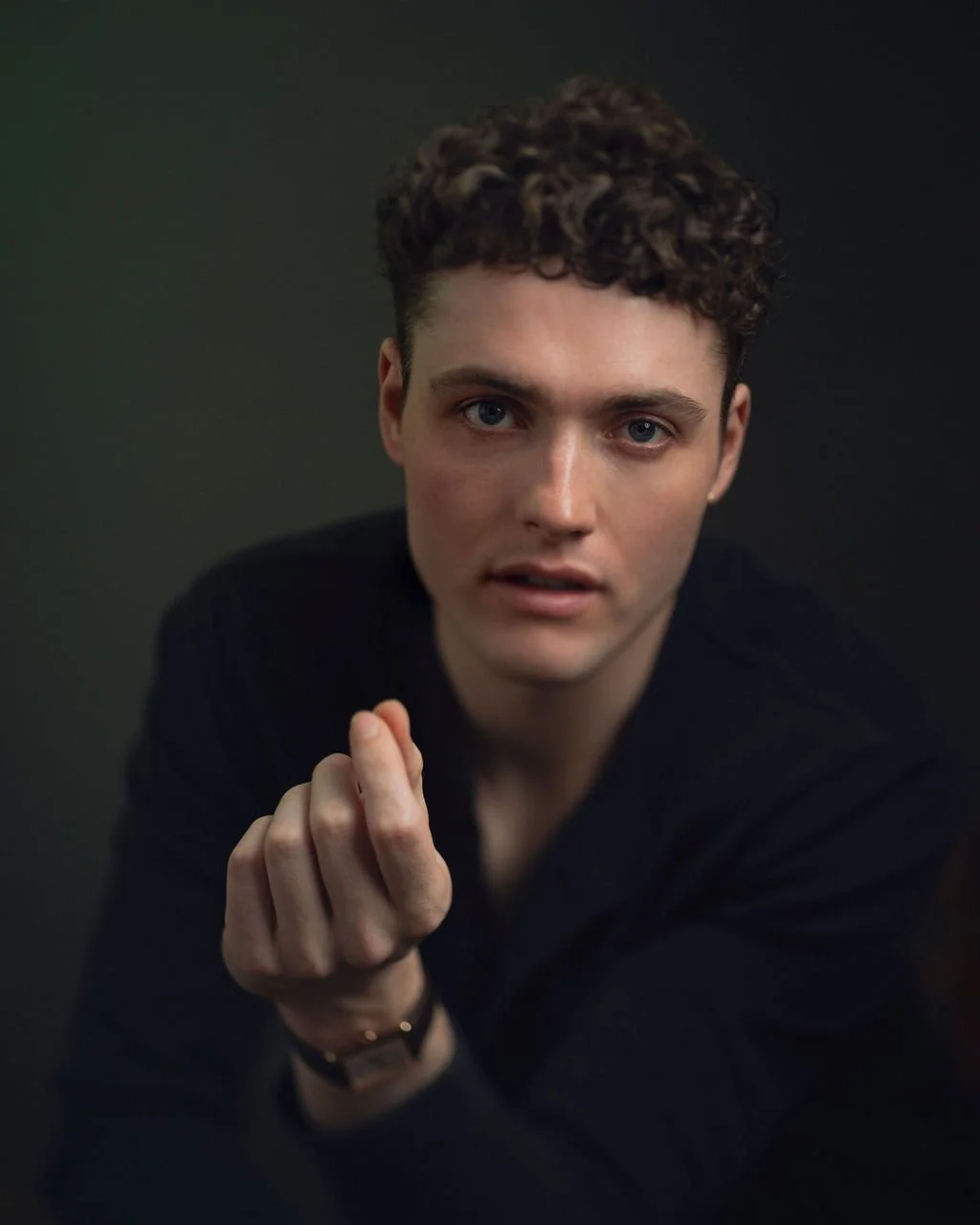
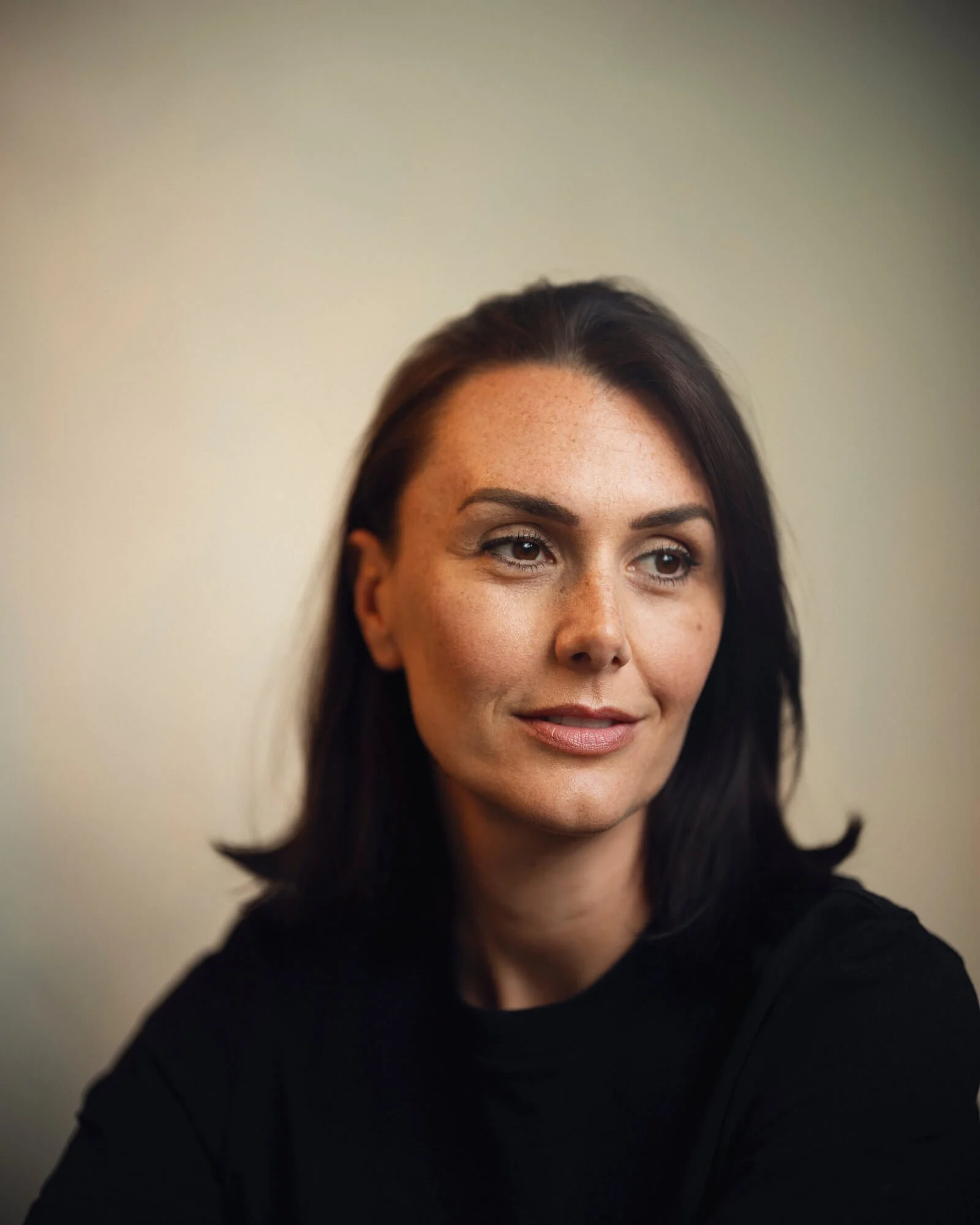
In every shoot I try to do something different. I want to add in a new element, try out a new idea, push in a different direction than the day before. I’m restless, frustrated by sameness - in both my own work and the work of others. I’ve always had this restlessness, this getting bored easily. I grew up in the countryside and would spend hours inventing games for myself because I had no siblings to play them with. I want to always be inventing. As such, I can’t just take a headshot. I have to exercise some creativity, try some new idea, play with a light setup, something to stave off the deathly press of repetition.
I take inspiration from all around me, the light in a film, the colours in a painting, the glance of an eye during conversation. However, much to my own surprise (and some around me) I’m not a snob when it comes to my media consumption - I devour trash movies just as readily as I do the political theory texts that made up the bulk of my reading for my PhD. I also take inspiration from other photographers, there is a lot of incredible work out there that kicks my ass into gear. But I have to warn myself off competing with them in my head. Compete only with yourself! That’s important.
Light has become this whole thing in my life since picking up the camera again. I see beautiful light everywhere and wish I had someone to put in it. So I try to recreate it in the studio. I live in London and, well, our weather is famous, so the less said about that the better. I’m in the process of building a new studio in my flat in Nunhead, and there is the briefest of moments when the light streams in over the rooftops of the houses opposite and gives over its magic to me. Those are dream moments I am looking forward to capturing once I’ve made the move.
Light on a face though, thats special. But it’s not just light, the play between light and shadow is what creates dimension, that adds interest, shows, hides, seduces. When you setup a light modifier just so, there’s a parallelogram of shadow on the opposing cheek - perfection!
The positioning of this light is important, too far and the light can wrap too far round the face, too close and direct (not feathered) and you can burn those highlights, creating quite ugly contrast. I don’t want to blow out the highlights and lose information in the shadows, nor do I want to flatten someone’s face, so the balance is important. Reducing contrast without flattening the image.
Colour is important. Skin tone, clothing, background, lighting. A colour wheel can be helpful if you don’t have a natural appreciation or understanding of colour combinations. A lot of photography comes down to designing the environment in which you shoot and the combinations of elements you bring into, or exclude from, the frame. With headshot photography you don’t always have control over what clothes a client brings with them - even if you do ask them to bring a lot of options. So, you might have to think on the fly and explore combinations before you hit on the right ones. That’s why I love the longer sessions - I get to spend time trying out ideas rather than rushing through “setups”. In fact, I have just recently removed the shorter session option from my offering. It doesn’t suit me or the way I work and I can’t give my client the best experience if I’m constrained by time.
Technicalities aside, and certainly learning technique is vital, the most important component to great portraiture is, and I will qualify what this actually means to me later, connection with the subject. I don’t know any photo I’ve made where I’m blown away by the technicalities without an appreciation what the subject brings to the photo. Exploring an emotional state with photographic art is far more interesting to me than just the displaying a photograph of a face.
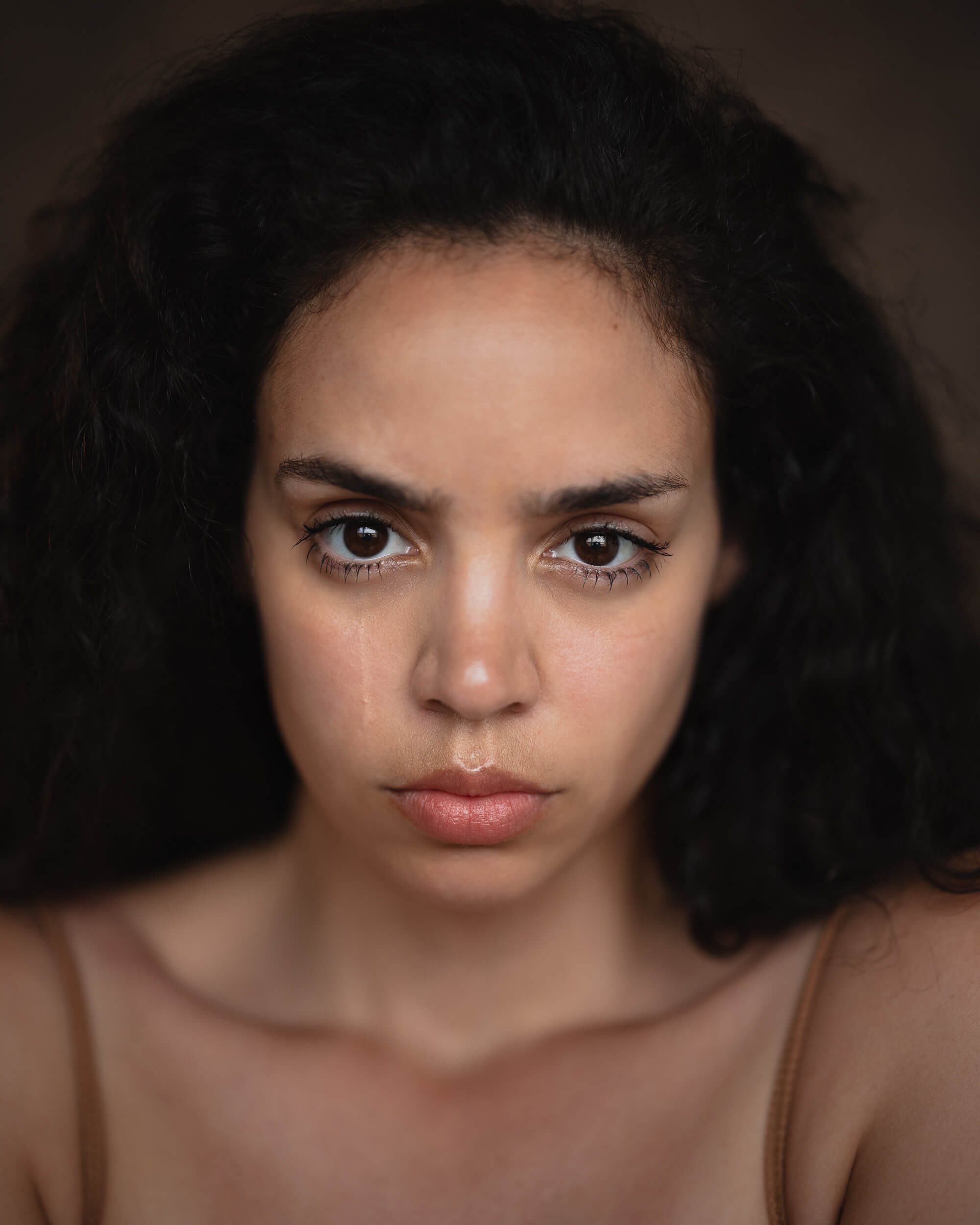
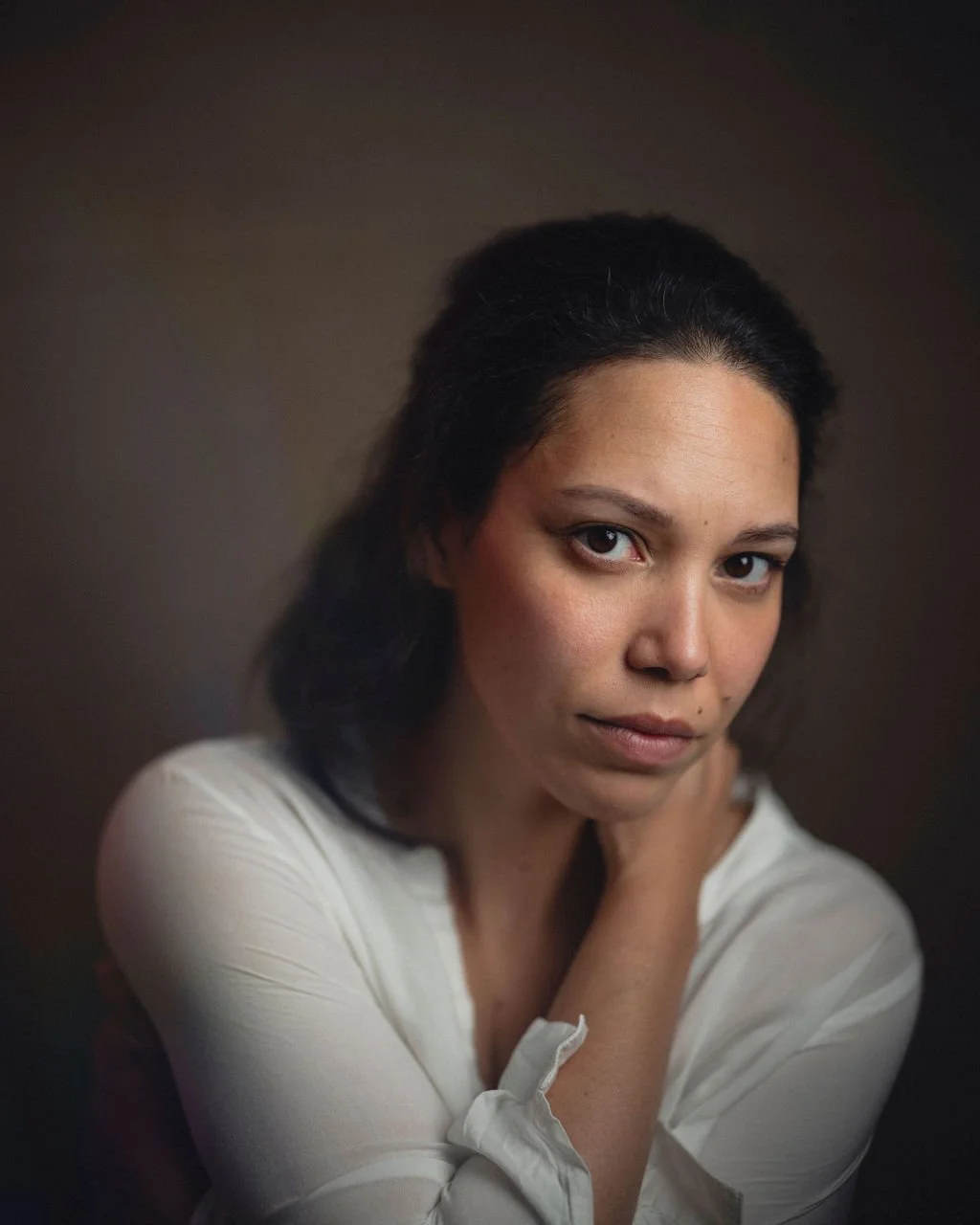
So, what does connection mean? How can we as audience feel a connection to a subject? Even if we’re not proximate to them. Connection, for me, is partly about creating a feeling of empathy, building a bond between the audience and the subject. But, and I think this is just as important, it’s about leaving out as much as putting in. The greatest portraits, whether thats photographic or otherwise, demand a response, they ask the audience to continue the work of the work. Marcel Duchamp calls this refining sugar from pure molasses. When you look at a work of art, the act of looking brings with it meaning that cannot be foreseen by the artist. This is true also of great photographs. And it is always this approach I aim for. I don’t want the photograph to be sown up neatly with a bow, but to be open, expectant of a viewer. Even commercial photography that is intended to help an actor get an audition should be thought of this way. When a casting director looks through an array of images, which ones make them look twice? It’s not always the boldest, brightest, but the most intriguing - those that invite them to participate in the creation of the story of the images.
Actors are artists, they create and explore human emotion. They are masters of delving into themselves to elicit emotion from an audience. As such an actors headshot should allow them the same space, give them that platform to perform within a still, rather than moving, image. This is why just a photograph of an actor’s face is so banal. It doesn’t allow them to create that connection that is so important to them.
If you would like to learn more about my process, I offer one-to-one mentoring sessions over here.